





An MCP proxy and an MCP gateway can sit in the same part of the request path:
MCP client → proxy or gateway → MCP servers
That makes the difference easy to miss.
A proxy is primarily there to simplify connectivity.
A gateway can occupy the same position while taking on a different responsibility: governing whether and how a request should proceed before it reaches the tool.
The boundary isn’t standardized, either.
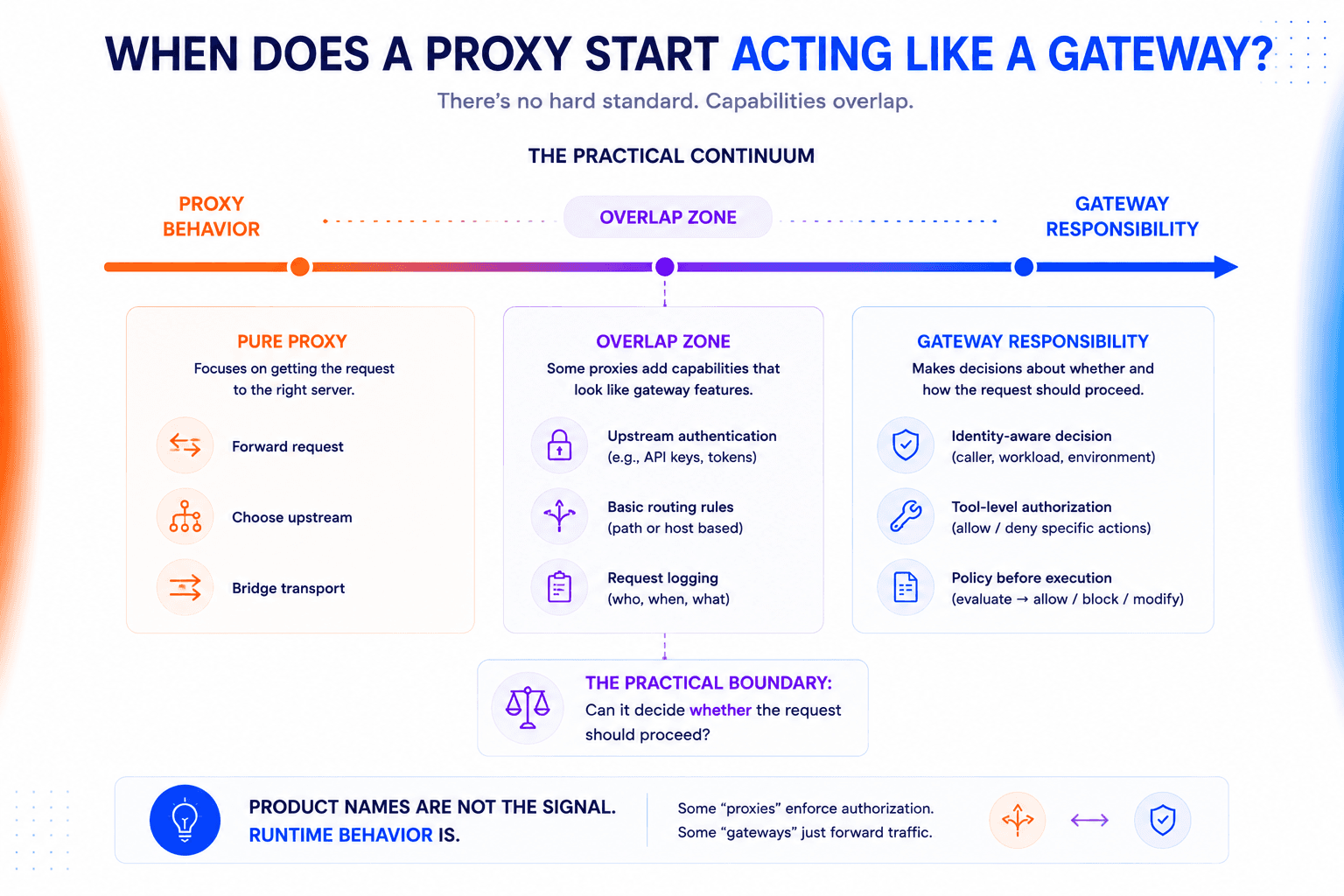
Some products called proxies enforce gateway-like controls. Some gateways don’t do much beyond routing traffic.
So the useful distinction is responsibility, not naming.
That’s how we think about the distinction too. We care much less about whether a component is marketed as a proxy or gateway than about the decision it actually owns at runtime.
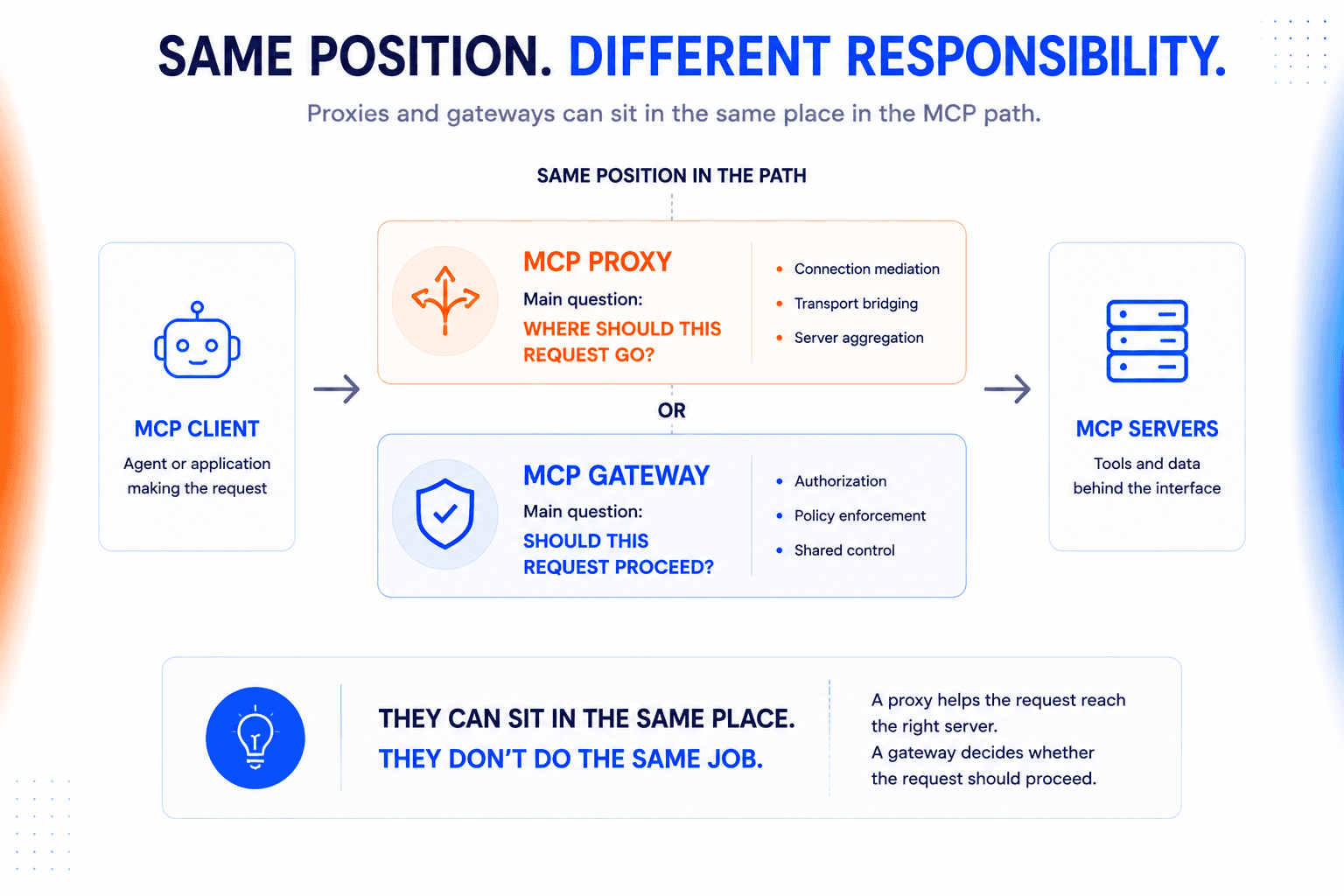
In practice, the choice comes down to whether your MCP architecture mainly has a connectivity problem or a control problem.
An MCP proxy simplifies the connection layer
An MCP proxy sits between an MCP client and one or more MCP servers. Its job is to hide some of the connection complexity between them.
Instead of every client knowing how to reach each upstream server it uses, the proxy can expose a shared entry point and handle the downstream connections on the client’s behalf.
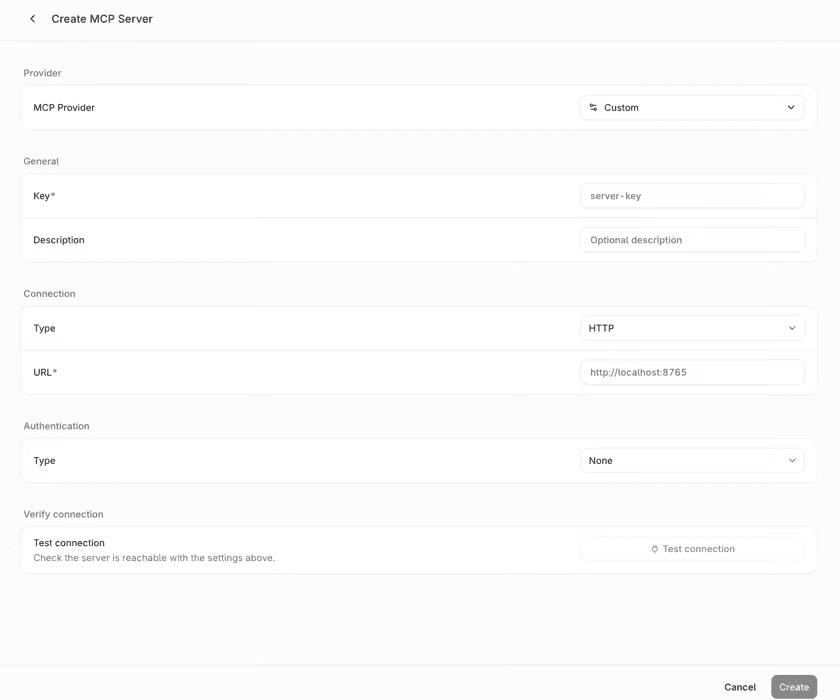
It can also absorb transport differences. If a client and server expect different transports, the proxy can translate between them without forcing either side to change.
Some implementations take on more responsibility, such as upstream authentication or routing. There isn’t a fixed feature set that every MCP proxy follows.
The most useful boundary is behavioral.
If the intermediary is mainly helping the request reach the server, it’s acting like a proxy.
Once it starts deciding whether that request should be allowed to proceed, it’s taking on gateway responsibility.
From our perspective, that’s the cleanest practical boundary.
Forwarding is a connectivity concern. Deciding whether execution should happen is a control concern.
An MCP gateway governs what happens to the request
An MCP gateway sits in the request path and can decide whether a tool call should proceed before forwarding it to the MCP server.
A proxy mainly helps the request reach its destination. A gateway can make a decision about the request itself.
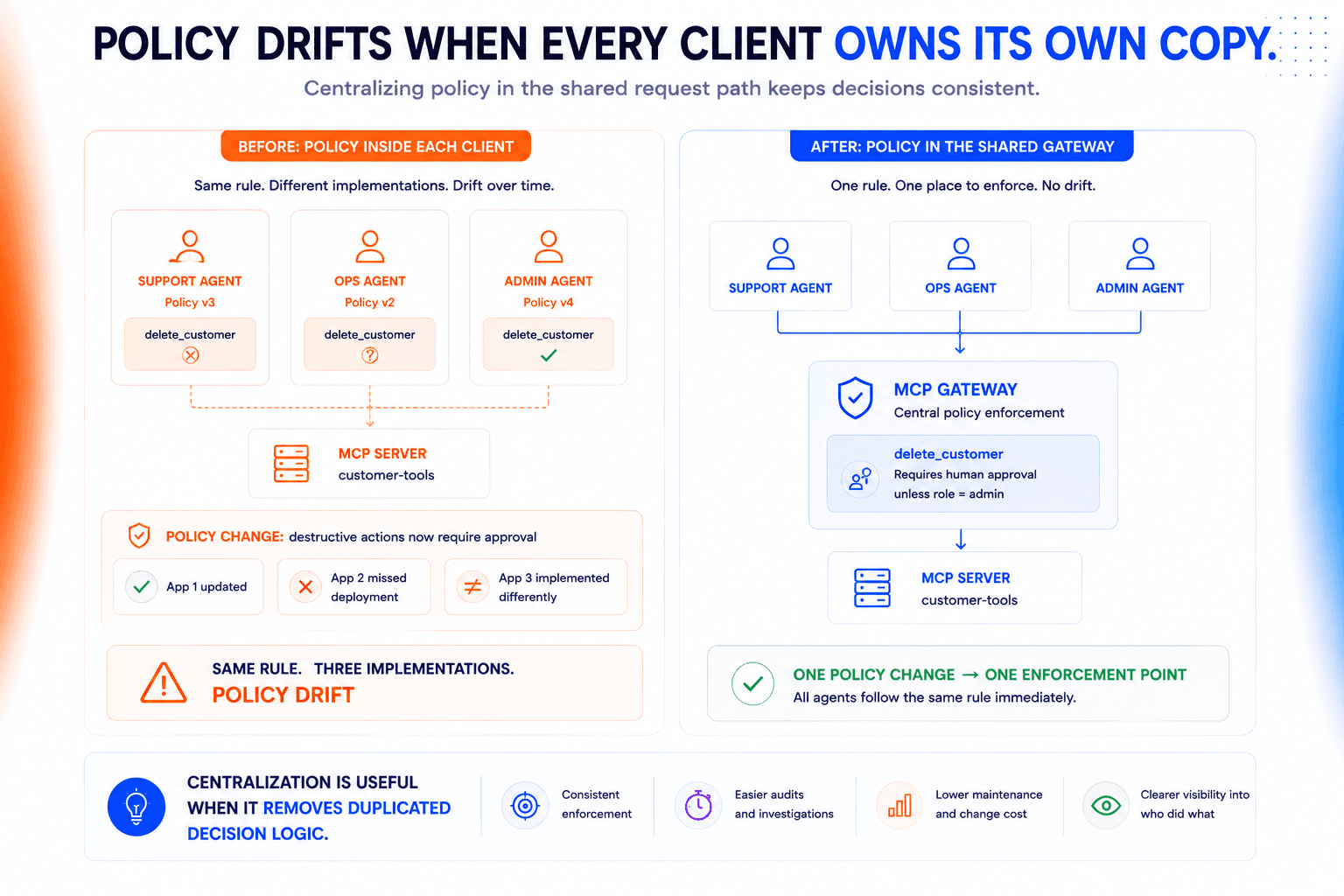
Keep in mind the important shift is where that decision lives. Instead of reproducing the same authorization logic inside every client, the rule can be enforced in the shared request path.
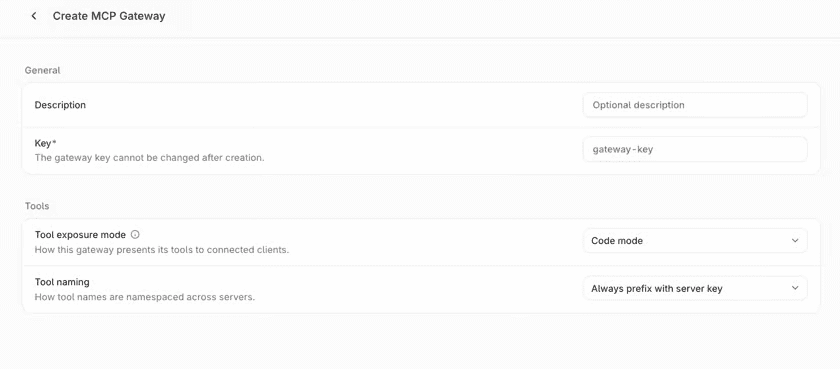
You end up with a much lower chance of policies drifting as agents and applications change overtime.
We generally prefer shared policy to duplicated client-side policy for exactly this reason. Every extra implementation is another opportunity for the intended rule and the enforced rule to diverge
There isn’t a fixed specification for what an MCP gateway must provide. While a number of products mostly centralize routing, others can make policy-aware decisions before a tool call moves downstream.
MCP proxy vs MCP gateway: the difference is where control lives
The clearest difference is what responsibility the intermediary owns once a request enters the MCP path.
MCP Proxy | MCP Gateway | |
Primary job | Simplify or mediate connections | Govern requests before they reach tools |
Routing | Chooses or forwards to an upstream server | Can combine routing with caller or policy context |
Authorization | Optional and implementation-dependent | Commonly used to enforce server- or tool-level access |
Policy | Usually handled elsewhere | Can evaluate rules in the request path |
Shows traffic passing through the proxy | Can preserve more context around who initiated the tool call and what happened |
A capable proxy may expose gateway-like controls.
Compare runtime behavior, not product labels.
A proxy manages the path, a gateway can govern the request
A proxy earns its keep by reducing connection complexity. It helps the client reach the right MCP server without making the client own every detail of that connection.
The role changes once the intermediary has to decide whether the request should proceed at all.
That decision may depend on who initiated the call or which policy applies to the workload.
At that point, the component is doing more than transport mediation.
Routing alone doesn’t make something a gateway
Both proxies and gateways can route MCP traffic or expose several servers through one endpoint.
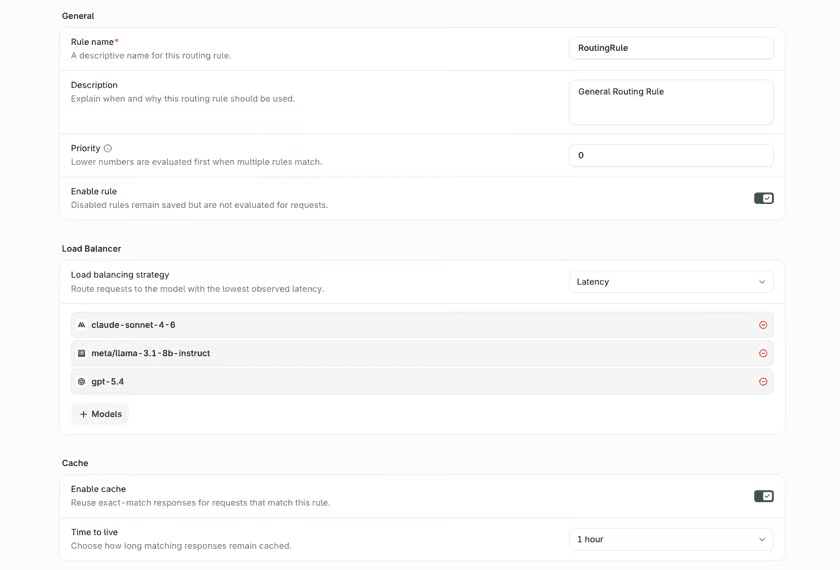
A proxy might send GitHub requests to one upstream and Jira requests to another. A gateway can make that path conditional on runtime context like caller’s identity or the policy attached to the request.
If static routing solves the problem, adding policy-aware control is probably unnecessary.
We don’t think every MCP deployment needs to become a governance project. If deterministic routing solves the actual problem, adding a more sophisticated control layer can be engineering work with very little operational return.
Authorization is where the boundary becomes clearer
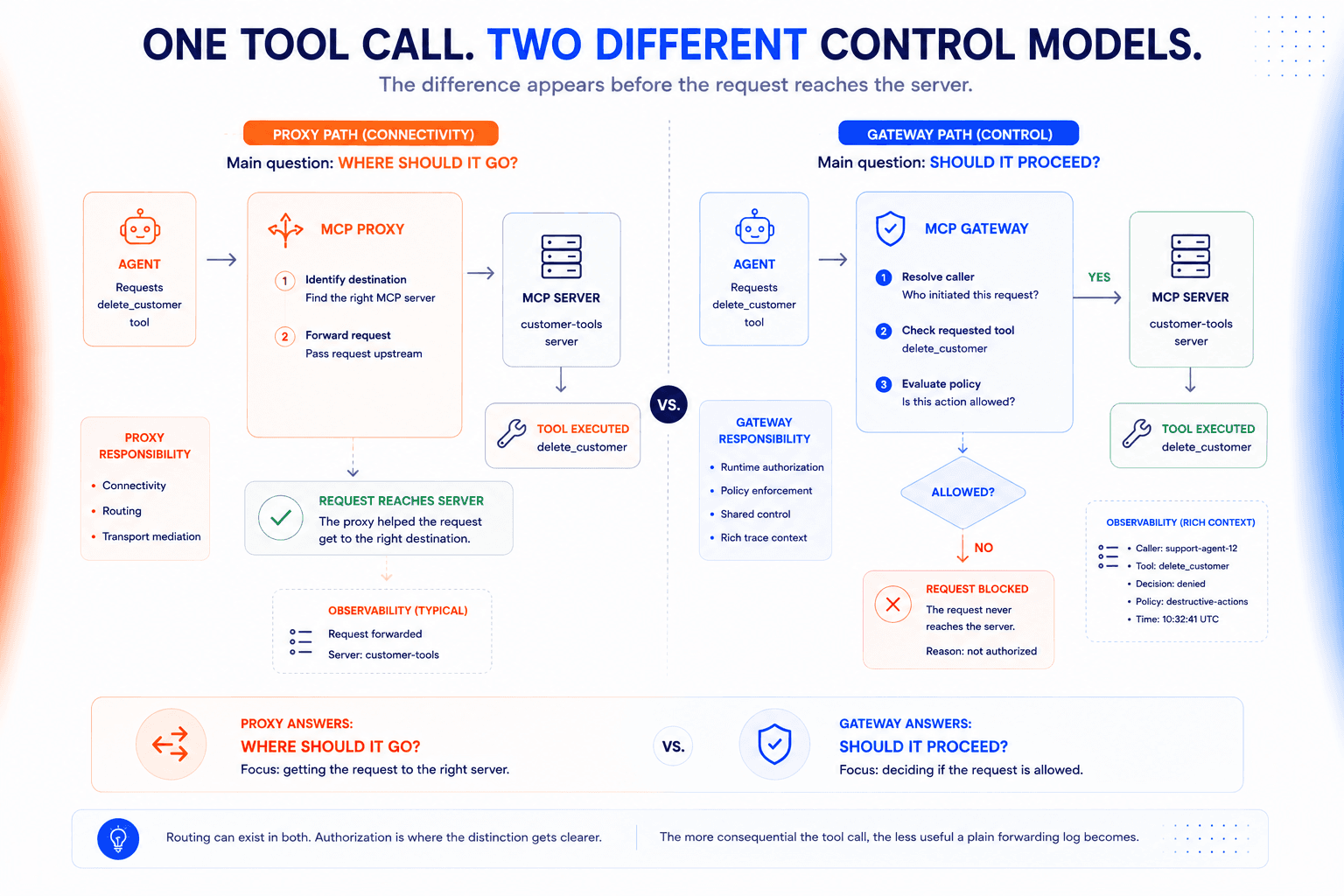
Connecting an agent to an MCP server doesn’t mean it should be allowed to invoke every tool that server exposes.
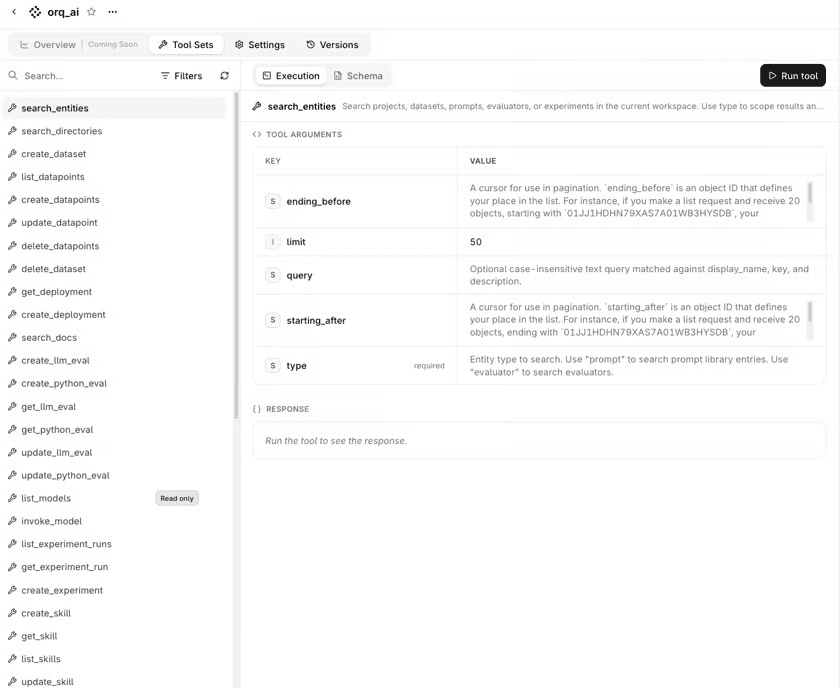
A gateway can reject a disallowed tool call before it ever reaches the server. What’s more important to remember is that the rule lives in the shared request path rather than inside every client.
That reduces policy drift as applications change.
A proxy can support the same behavior. If it starts making policy-aware authorization decisions, it’s already taking on gateway responsibility regardless of what the product is called.
Logging traffic isn’t the same as reconstructing a tool action
A proxy can record the requests passing through it.

And sometimes that’s enough.
The trickier aspect is whether those logs tell you enough to explain an action after it happened.
If an agent unexpectedly changes a customer record, you need to reconstruct who initiated the run and what came back from the server. Because a gateway sits on the shared request path, it can become a useful correlation point for that trace.
The more consequential the tool call, the less useful a plain forwarding log becomes.
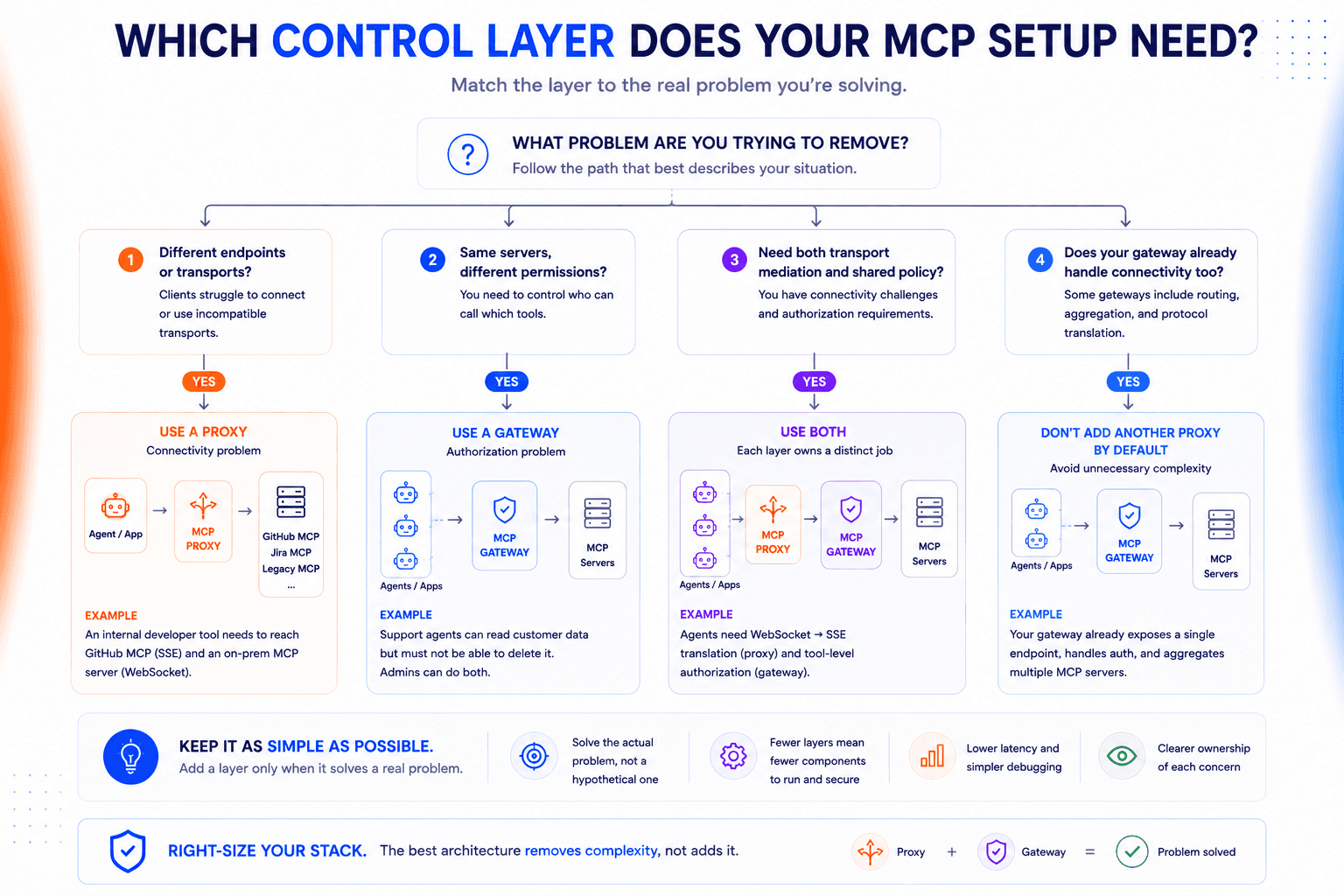
Choose based on the problem your MCP layer is creating
Start with the problem you’re actually trying to remove.
If the pain is connection management, start with a proxy.
If shared MCP traffic now needs consistent authorization or policy, you’re solving a gateway problem.
Use an MCP Proxy when connectivity is the main problem
Use a proxy when you need a cleaner connection layer and don’t need the intermediary making policy decisions.
Suppose an internal developer tool relies on several trusted MCP servers, but those servers expose different endpoints or transports. A proxy can hide that complexity behind one interface without changing the trust model of the application.
In our experience, that’s usually enough.
We’d rather keep that architecture simple than introduce gateway controls before there’s a real audit problem to solve.
In this kind of architecture, a gateway is extra machinery.
Unless, you genuinely need the controls it adds.
Use an MCP Gateway when MCP becomes shared infrastructure
A gateway starts earning its place when the same MCP servers are used by applications with different trust or permission requirements.
The clearest signals are operational.
One agent may only be allowed to read from a server while another can modify data. Or the platform team may no longer be able to explain a sensitive tool call without correlating logs across several applications.
By then, keeping authorization and policy inside each client is usually harder to maintain than enforcing them in the shared request path.
A proxy and gateway can coexist, but each layer should earn its place
Sometimes both are justified.
You might keep a proxy next to a legacy MCP server because it solves a transport mismatch, then route that traffic through a gateway that applies shared authorization for the rest of the platform.
Consider whether each hop has a distinct responsibility.
A rule we use when thinking about these stacks is that every additional hop should be able to justify itself in one sentence. If two layers own effectively the same responsibility, the architecture probably wants simplifying
If the gateway already solves the connectivity problem, adding another proxy gives you another component to deploy, observe, and secure without necessarily simplifying anything.
Bring model and MCP traffic into the same control plane
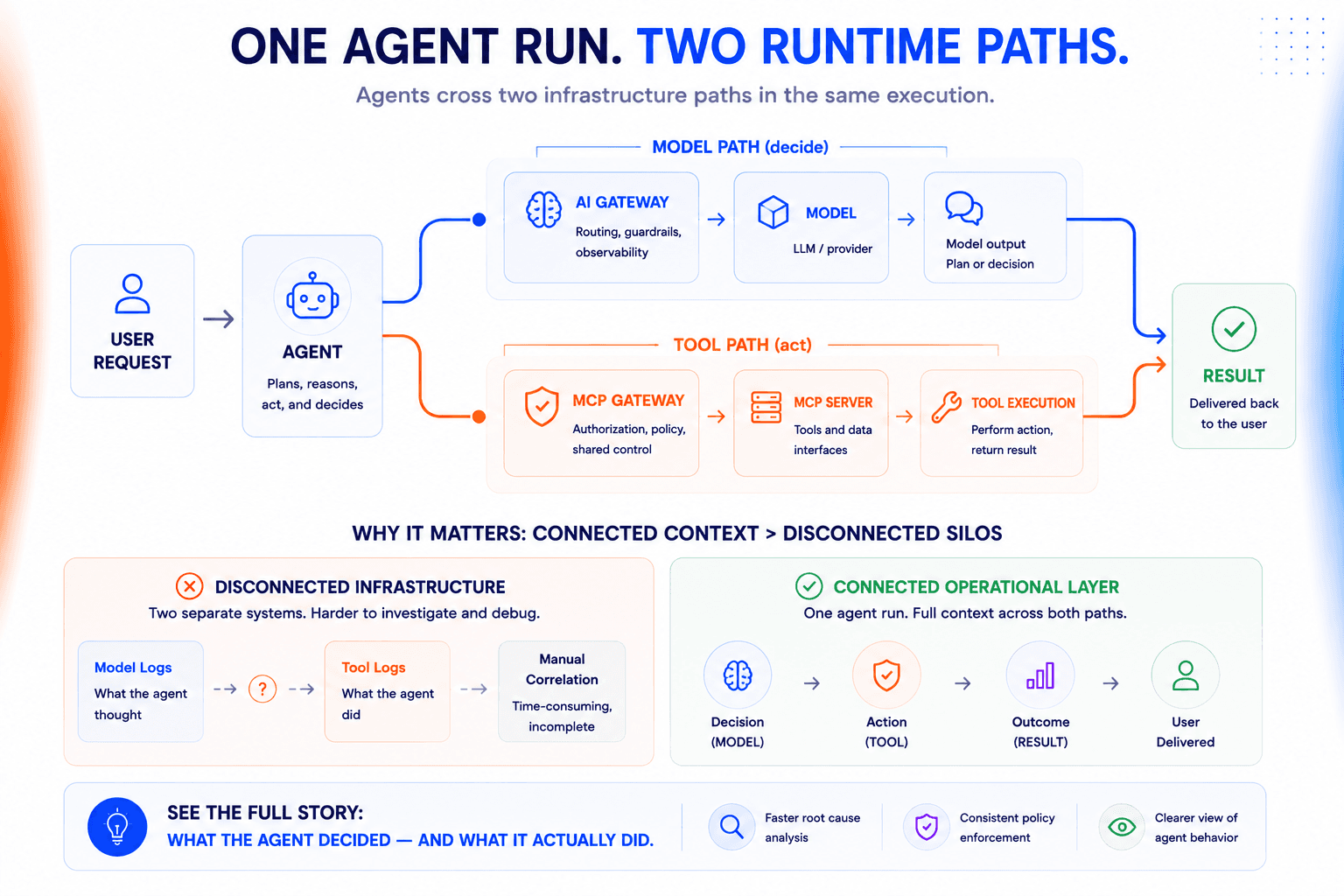
An agent run can cross two infrastructure paths: one to the model and another to the tool it eventually calls.
Orq.ai’s AI Gateway already sits on the model side of that execution, between the application and its model providers.
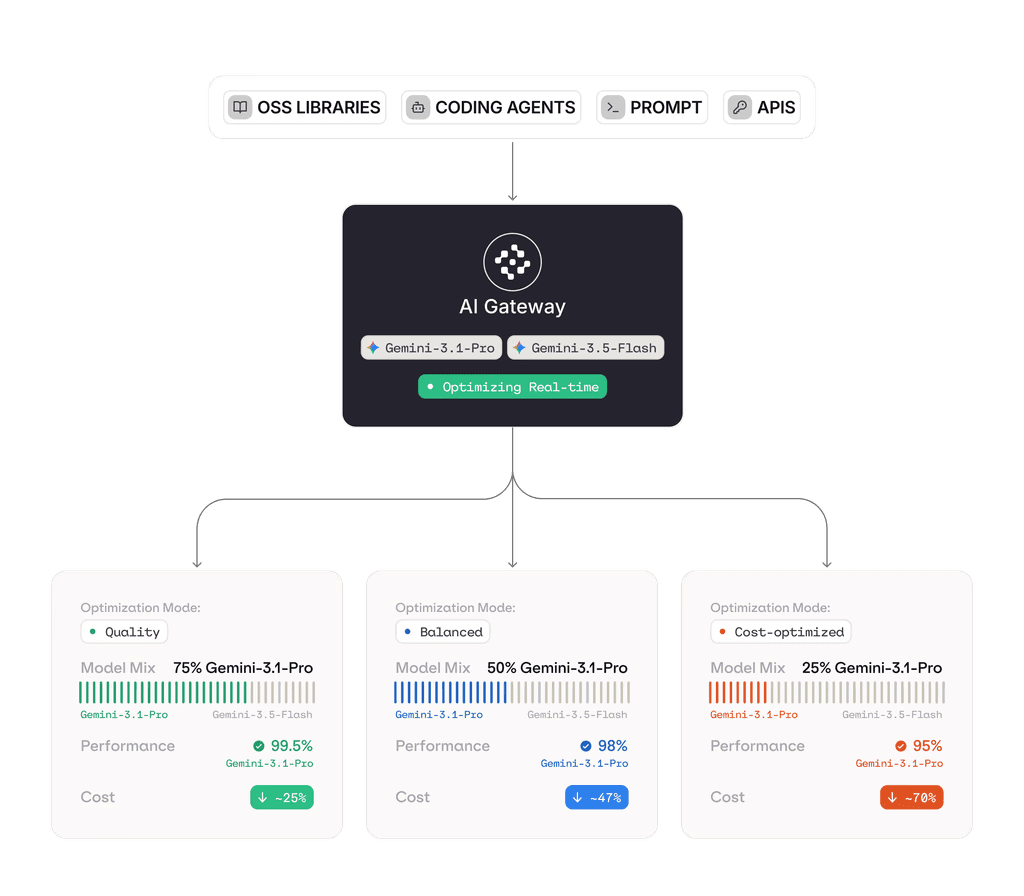
Its MCP Gateway capabilities bring the tool side into the same operational layer.
That matters once you have to investigate the full run.
Without a shared control plane, the model decision may be traced in one system while the MCP action it triggered lives somewhere else.
Bringing those paths together gives platform teams a clearer view of what the agent decided and what it actually did.
That reflects how we think about agent infrastructure. Model reasoning and tool execution are different runtime concerns.
But they shouldn’t become disconnected stories when you need to evaluate, debug, or govern one agent run.
Choose the control layer your MCP setup actually needs
Use a proxy while the problem is connection complexity. Introduce gateway controls when the shared request path needs to make authorization or policy decisions.
The aim is to put shared responsibility in the layer where it can be enforced consistently.
Leave that logic inside every client and it will eventually drift. Add infrastructure that solves no real problem and you’ve created another component to deploy + debug.
See how Orq.ai brings model requests and MCP tool traffic into the same control plane.